Source Anti Wrinkle Hydrating Facial Lotion for Face, Neck, and Eyes
Explore 30 verified options for anti wrinkle hydrating facial lotion designed for face, neck, and eye care. Buyers can compare features like moisturizing, firming, and whitening effects alongside certifications and customization services from suppliers in China; compare the available evidence and request quotations based on your requirements.
Key considerations
Products List


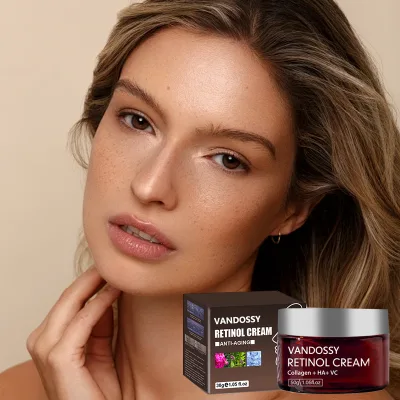
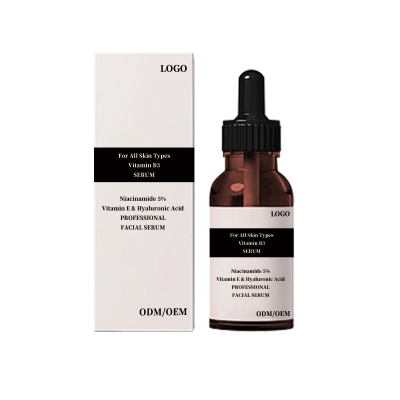

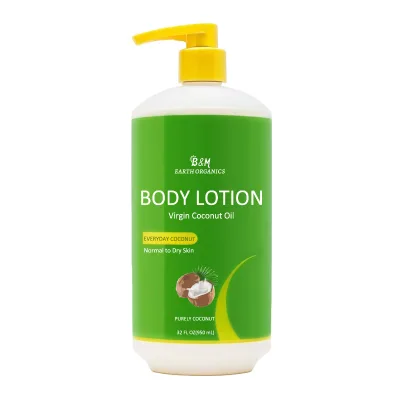
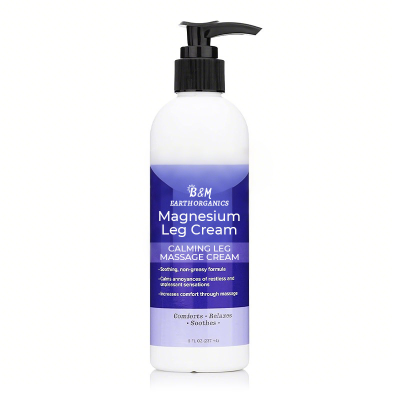





Comprehensive Sourcing Guide
Anti Wrinkle Hydrating Facial Lotion Sourcing Guide
Sourcing anti-wrinkle hydrating facial lotions requires a clear understanding of the diverse product landscape available from manufacturers, particularly those concentrated in regions like Guangdong and Guangzhou in China. Buyers must navigate a wide array of formulations that claim to address multiple skin concerns simultaneously, including aging, dryness, and uneven tone. The market offers products ranging from basic moisturizing lotions to specialized serums and emulsions, each with distinct ingredient profiles and target demographics. Understanding these variations is crucial for aligning procurement with specific brand positioning and consumer expectations.
Procurement teams should recognize that while many suppliers offer similar core functionalities, the specific combination of features and certifications varies significantly. Some products are marketed towards all ages, while others are specifically formulated for men or women, often highlighting ingredients like aloe vera, glycerin, green tea, or shea butter. This diversity means that a one-size-fits-all approach to supplier selection is ineffective. Instead, buyers need to evaluate each potential partner based on their ability to deliver the precise formulation, packaging, and compliance standards required for their target market, ensuring that the final product meets both regulatory and consumer demands.
Product Scope and Observed Listing Signals
The observed market signals indicate a broad spectrum of product types, including lotions, emulsions, and serums, with volumes typically ranging from 15ml to 50ml, though larger 200ml options are also available. Key features frequently highlighted in listings include anti-aging, anti-wrinkle, firming, moisturizing, and whitening properties. These claims suggest that buyers are looking for multifunctional products that address visible signs of aging while providing deep hydration. The presence of terms like "non-comedogenic" and "hypoallergenic" further indicates a market demand for gentle yet effective formulations suitable for sensitive skin types.
In addition to functional claims, customization options are widely available, allowing buyers to tailor products to their specific brand needs. This includes private labeling, OEM, and ODM services, which are essential for brands seeking unique market differentiation. The observed price range of $0.15 to $3.85 USD suggests a competitive market with varying quality tiers, while MOQs range from as low as 1 piece to 30,000 pieces, catering to both small startups and large enterprises. Buyers must carefully assess these signals to determine which suppliers can meet their volume requirements and customization expectations without compromising on quality or compliance.
Technical Specifications to Verify
When evaluating technical specifications, buyers must verify the exact formulation details, including the main ingredients and their concentrations. Common ingredients observed include plant extracts, vitamins, collagen, aloe vera, and glycerin, which are known for their hydrating and anti-aging benefits. It is crucial to confirm that the product model and standard match the buyer's requirements, such as 35ml or 50ml volumes, and that the form is consistent with expectations, whether it be a lotion, emulsion, or serum. Misalignment in these basic specifications can lead to significant logistical and compliance issues downstream.
Packaging and material specifications are equally important, as they impact product stability and consumer perception. Observed packaging options include paper boxes and bottles, with materials ranging from glass to plastic. Buyers should verify the durability and suitability of the packaging for the specific formulation, ensuring that it protects the product from light and air exposure, which can degrade active ingredients. Additionally, the production origin, often listed as Guangdong or Guangzhou, should be cross-referenced with the supplier's actual manufacturing capabilities to ensure consistency and reliability in the supply chain.
Compliance and Safety Documentation
Compliance is a critical aspect of sourcing facial lotions, with various certifications observed in the market, including CE, FDA, GMP, MSDS, and GMPC/ISO22716. Buyers must verify that their chosen suppliers hold the necessary certifications for their target markets, as these documents attest to the product's safety and quality standards. For instance, FDA and CE certifications are often required for products sold in the United States and Europe, respectively, while GMP and GMPC ensure that manufacturing processes adhere to good manufacturing practices.
In addition to certifications, buyers should request detailed safety data sheets and ingredient lists to ensure transparency and compliance with local regulations. The presence of MSDS indicates that the supplier provides information on the safe handling and storage of the product, which is essential for logistics and retail compliance. Buyers must also verify that the product does not contain any prohibited substances and that all claims, such as "anti-aging" or "whitening," are supported by appropriate testing and documentation to avoid regulatory penalties and consumer disputes.
Cost Drivers and Commercial Terms
Cost drivers for anti-wrinkle hydrating facial lotions include the complexity of the formulation, the quality of ingredients, and the level of customization required. Products with specialized ingredients like collagen or specific plant extracts may command higher prices, while basic moisturizing lotions are generally more affordable. The observed price range of $0.15 to $3.85 USD reflects these variations, with higher prices often associated with more advanced formulations or premium packaging options. Buyers should consider the total cost of ownership, including shipping, tariffs, and potential rework costs, when evaluating supplier quotes.
Commercial terms, such as MOQ and lead times, also play a significant role in procurement decisions. The wide range of MOQs, from 1 to 30,000 pieces, allows for flexibility, but buyers must ensure that the supplier can consistently meet their volume requirements. Lead times can vary based on production capacity and customization needs, so it is essential to establish clear communication regarding production schedules and delivery expectations. Buyers should also negotiate favorable payment terms and warranty policies to mitigate risks associated with supply chain disruptions or quality issues.
Supplier Qualification and Quality Control
Supplier qualification involves a thorough assessment of the manufacturer's capabilities, including their production facilities, quality control processes, and track record. Buyers should verify that the supplier has a robust quality management system in place, certified by relevant standards such as ISO 22716 or GMPC. This ensures that the manufacturing process is consistent and that the final product meets the specified quality standards. Additionally, buyers should request samples to evaluate the product's texture, scent, and efficacy before committing to a large order.
Quality control measures should be established throughout the production process, from raw material inspection to final product testing. Buyers should work with suppliers to define clear quality criteria and testing protocols, including stability testing and microbial analysis. Regular audits and inspections can help identify potential issues early and ensure that the supplier maintains high standards. By prioritizing supplier qualification and rigorous quality control, buyers can minimize the risk of receiving substandard products and protect their brand reputation.
Long-Term Procurement Checks
Long-term procurement success depends on continuous monitoring of supplier performance and market trends. Buyers should establish key performance indicators (KPIs) to track supplier reliability, product quality, and compliance adherence. Regular reviews of these metrics can help identify areas for improvement and ensure that the supplier remains aligned with the buyer's evolving needs. Additionally, staying informed about regulatory changes and consumer preferences in the skincare industry is essential for maintaining product relevance and compliance.
Building a strong relationship with suppliers through open communication and collaborative problem-solving can enhance long-term procurement outcomes. Buyers should engage in regular discussions with suppliers to address any issues promptly and explore opportunities for innovation and cost optimization. By fostering a partnership approach, buyers can secure a stable supply of high-quality anti-wrinkle hydrating facial lotions and maintain a competitive edge in the market. This proactive strategy ensures that procurement efforts remain effective and sustainable over time.
FAQs
What certifications do the anti wrinkle hydrating facial lotion products have?
The products hold CE, FDA, GMP, and MSDS certifications. Some listings also include EEC and GMPC/ISO22716 standards. These documents verify safety and manufacturing quality for international buyers seeking compliant skincare solutions.
Can I customize the packaging and volume for this facial lotion?
Customization is available for both packaging and volume specifications. Buyers can choose from standard sizes like 35ml or 50ml, or request customized options. The products also support OEM and ODM private label services for brand development.
Which main ingredients are used in these anti wrinkle hydrating lotions?
Common ingredients include Aloe Vera, Glycerin, Green Tea, and Shea Butter. Some formulations also contain plant extracts, vitamins, and collagen. These components work together to moisturize, firm, and revitalize the skin effectively.
What is the minimum order quantity for purchasing this facial lotion?
The minimum order quantity ranges from 1 to 30,000 pieces depending on the supplier. Specific listings show an MOQ of 100 pieces for certain models. Buyers should verify the exact requirement with the manufacturer before placing an order.
Where are these anti wrinkle hydrating facial lotions manufactured?
The products originate from Guangdong and Guangzhou in China. These regions are known for their established cosmetic manufacturing capabilities. Buyers can source directly from factories located in these specific Chinese provinces.
What features do these lotions offer for skin care?
Features include anti-aging, anti-wrinkle, firming, moisturizing, and whitening effects. Some variants also provide acne treatment, exfoliation, and scar reduction. The lotions are designed to nourish and revitalize various skin types effectively.
Which skin types are suitable for using this anti wrinkle hydrating lotion?
The products are suitable for all skin types, including those with scars. They are formulated to be non-comedogenic and hypoallergenic. This ensures safety and effectiveness for a wide range of users seeking hydration and wrinkle reduction.